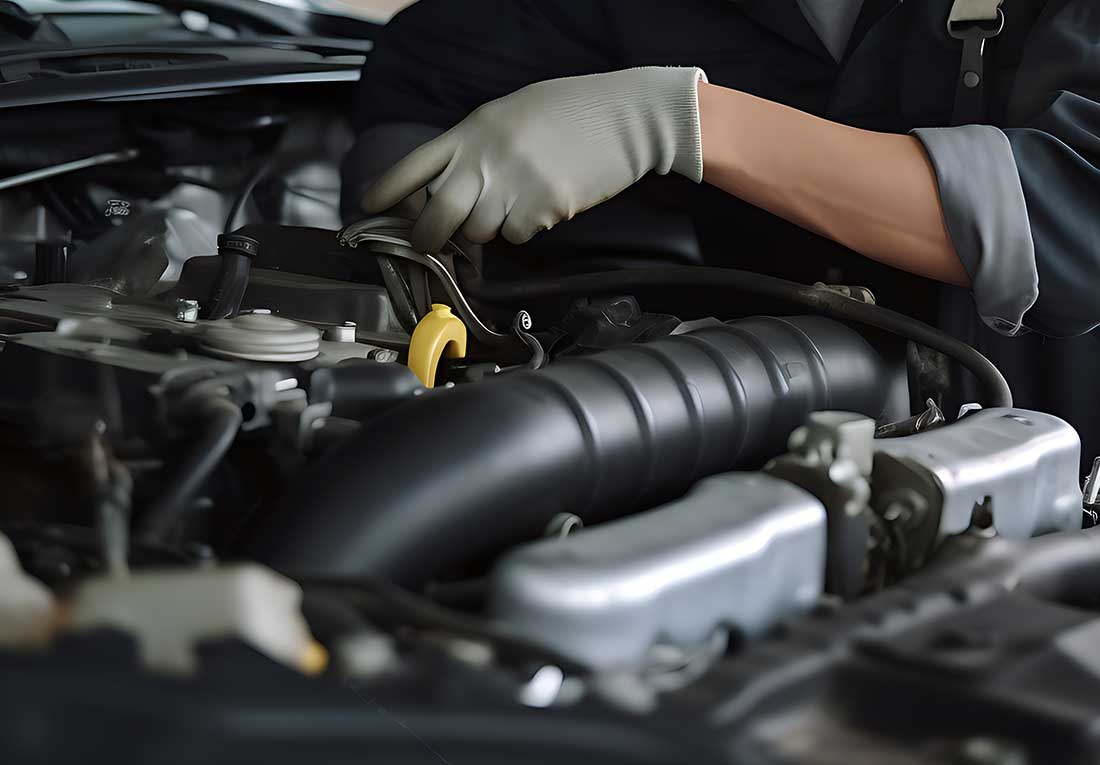
Buying a used engine can be one of the biggest decisions you’ll make for your truck or car. Done right, it can save you thousands. Done wrong, it can cost you more than a new engine would have. The difference comes down to knowing what to look for before you buy. In this reddit thread, they talk about their general experience with used engines.
We’ve pulled and sold a lot of engines over the years. Here’s the inspection process we’d walk any buyer through.
Check the Mileage and Source
The two most important questions to ask: How many miles are on the donor vehicle, and why did it end up at the salvage yard? A truck that came in from a rear-end collision with 60,000 miles on a well-maintained Cummins is a very different situation than an unknown engine from a flood vehicle.
💡 Always ask the yard for the donor vehicle’s history if available. Reputable yards will tell you what they know.
Check for External Oil Leaks
Look at the valve cover gaskets, the rear main seal area, and around the oil pan. A little surface grime is normal. Active, wet oil leaks are a red flag, they suggest the engine may have been run low on oil or has gasket problems that will need immediate attention.
Inspect the Coolant
Pull the radiator cap or coolant reservoir cap if it’s accessible. Chocolate milkshake-colored coolant (brown and murky) is a serious warning sign, it means oil and coolant have mixed, which usually points to a head gasket failure or cracked head. Clear green or orange coolant is a good sign.
Look at the Oil
Pull the dipstick. The oil should be relatively clean and not smell burned. Gritty or metallic oil suggests internal wear. A big red flag about how the engine was maintained, will be a bone dry dipstick.
Check the Belts, Hoses and Accessories
How was the vehicle cared for? Cracked belts, swollen hoses and corroded connections can give you the answer. It won’t disqualify an engine on its own, but it gives you a picture of the maintenance history. On a diesel, also check the condition of the air filter if accessible.
Look for Physical Damage
Bent or cracked engine mounts, impact damage to the block or head, and broken accessory brackets are all things to look for. Some damage is purely cosmetic, a cracked plastic cover, for example. Other damage, like a cracked block, is a dealbreaker.
What to Ask the Yard
- What was the mileage on the donor vehicle?
- Why did the vehicle come in?
- Was the engine running when it came in?
- Is there any known damage to the engine?
- What is your return or exchange policy?
A used engine from a reputable salvage yard is a legitimate option for keeping your truck or car on the road without breaking the bank. Just take your time with the inspection, ask the right questions, and trust your gut. If the yard can’t answer basic questions about the engine’s history, that tells you something too.