I-75 is one of the most important freight arteries in the Southeast. From the Michigan state line all the way down to Miami, it moves an enormous volume of commercial traffic every single day. The Georgia and Florida stretch in particular — running through Valdosta, Lake City, Gainesville, and on down toward Tampa — is a corridor that thousands of truckers know well. This guide is for the drivers who run it regularly and the ones passing through for the first time. Here’s what you need to know to stay fueled, informed, and moving.
Why I-75 Matters to the Trucking Industry
The numbers tell the story. I-75 connects the industrial Midwest to the ports and distribution centers of the Southeast and Florida. Agricultural products, manufactured goods, construction materials, and consumer freight all move up and down this corridor constantly. For owner-operators and fleet drivers alike, I-75 is a route you’re going to know well if you work the Southeast at all.
The Georgia and North Florida section specifically runs through some of the region’s most active freight territory — and some of its most rural, which means knowing your resources matters more here than on a more urban stretch of highway.
Key Truck Stops Along the Georgia and North Florida Stretch
Fuel, food, showers, and parking are the basics. Here are the major stops worth knowing on this section of the corridor.
Tifton, Georgia
Tifton sits right on I-75 and has solid fuel and service options for commercial vehicles. It’s a practical stop for drivers coming off a long run from Atlanta or heading south toward Florida.
Valdosta, Georgia
Valdosta is one of the more significant stops on this stretch. It has multiple fuel options for commercial vehicles, decent parking availability, and is close enough to the Florida line to make it a natural break point for drivers managing their hours. The city also has truck-friendly services including repair shops and parts suppliers in the area.
Lake City, Florida
Just across the Florida line, Lake City is a well-known stop on I-75. It has several large truck stop facilities with ample parking, fuel, scales, and amenities. For drivers heading into Florida, it’s one of the last easy stops before traffic and road complexity increase heading toward Gainesville and beyond.
Gainesville, Florida
Gainesville has commercial fuel and some service options, though parking can be tighter than the stops further north. It’s more of a fuel and quick-break stop than a full rest location for most commercial drivers.
What to Do If Your Truck Breaks Down on I-75
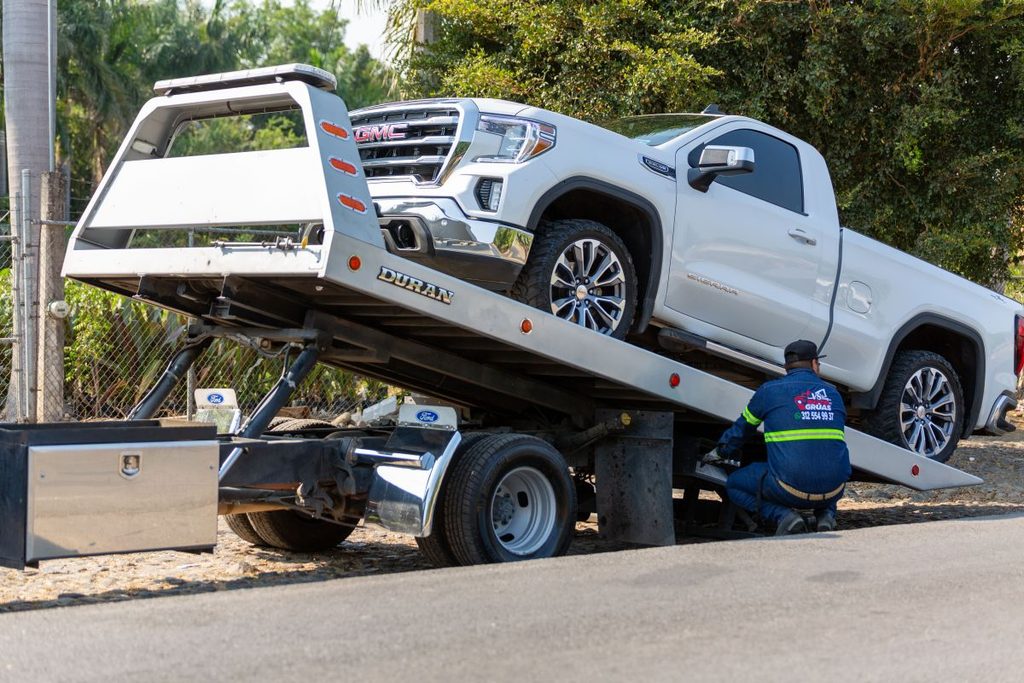
Breaking down on a major interstate is stressful under the best circumstances. Having a plan before it happens makes a bad situation a lot more manageable.
Get Safe First
Get as far off the travel lanes as possible. Activate your hazard lights immediately and set out triangles or flares behind the vehicle at the distances required by FMCSA regulations. Do not stand between your truck and oncoming traffic.
Know Who to Call
Have your roadside assistance provider’s number saved and accessible before you need it. If you are an owner-operator without a fleet support line, services like CoachNet, Road Rescue, and NationaLease Emergency Services are worth knowing. Georgia DOT also operates HERO units on major interstates that can assist with minor issues and help manage traffic around a breakdown.
Identify Your Location Precisely
Mile markers are your best friend in a breakdown situation. Know your direction of travel and the nearest exit. When you call for help, the more specific you can be about your location, the faster assistance arrives.
Have a Parts Strategy
If the repair is something you can source locally, knowing where to find parts fast along the corridor can get you back on the road hours sooner than waiting on a parts order. Salvage yards, auto parts stores, and truck dealers along the I-75 corridor are all worth having in your contacts before you need them.
Finding Parts Fast When You are Away From Home Base
This is where preparation pays off. When your regular mechanic and your go-to parts supplier are three states away, you need alternatives.
Know What’s on Your Truck
Sounds obvious, but a lot of drivers don’t have easy access to the key specs on their truck — engine family, year, transmission type — when they need them in a hurry. Keep a simple document in the cab with your truck’s critical specs so you can communicate exactly what you need when you call a parts source.
Search for Salvage Yards Along the Route
Salvage yards that carry commercial trucks and heavy equipment can be a lifesaver for drivers needing a part quickly and affordably. Call ahead before you drive to any yard — describe exactly what you need and confirm they have it before making the trip.
Join Trucking Forums and Groups
Online trucking communities — both on Facebook and forums like The Truckers Report — are genuinely useful when you’re broken down somewhere unfamiliar. Drivers who run that area regularly can point you to resources you’d never find on your own in a reasonable amount of time.
Staying Comfortable and Compliant on a Long I-75 Run
The practical stuff matters too. A few reminders for drivers working this corridor regularly.
Weigh Stations
Florida and Georgia both run active weigh stations on I-75. Know your weights before you reach them, and make sure your PrePass or equivalent transponder is functioning correctly. A weight violation or out-of-service order on a loaded truck is a bad day that compounds quickly.
Speed Zones and Construction
The I-75 corridor through Georgia and Florida sees regular construction activity, especially around urban areas. Fines in active work zones are doubled in both states. Watch posted limits and give yourself extra following distance through these sections.
Weather Awareness
North Florida and South Georgia are in a heavy thunderstorm belt, particularly in summer. Afternoon storms can reduce visibility dramatically and make road surfaces slick fast. If you’re running afternoons through this corridor in summer, keep an eye on weather radar and don’t push through dangerous conditions to make a delivery window.
Final Thoughts
I-75 through Georgia and North Florida is a corridor most Southeast truckers know well — but knowing it well doesn’t mean you’re never going to need help on it. The drivers who handle problems fastest are the ones who prepared before they left, not after something went wrong.
If you’ve got a tip, a resource, or a stop along I-75 that other drivers should know about, drop it in the comments. This is the kind of information that’s most useful when it comes from people who actually run the road.