
If you drive a diesel truck built after 2010, you have a DEF system whether you think about it or not. Most of the time it runs quietly in the background and you never give it a second thought. Imagine driving south on I-75 in Georgia and you have 30 miles to the Florida line, then something goes wrong with it, it gets your attention fast, sometimes in the form of a countdown timer telling you how many miles you have left before your truck won’t start. Here’s what every diesel owner needs to understand about the DEF system before that moment arrives and you end up stuck on the side of the road calling a 24/7 mobile diesel repair mechanic.
What Is DEF and Why Does Your Truck Need It?
DEF stands for Diesel Exhaust Fluid. It’s a mixture of urea and deionized water that gets injected into your exhaust stream to break down harmful nitrogen oxide emissions before they leave the tailpipe. The system that manages this process is called the Selective Catalytic Reduction system, or SCR.
It’s an emissions requirement, not a performance feature. But that doesn’t mean it’s something you can ignore, the system is deeply integrated into how your truck operates, and a failure can sideline you quickly.
The Most Common DEF System Problems
DEF system failures tend to fall into a handful of categories. Knowing them ahead of time puts you in a much better position to catch them early. Here are most common DEF system problems
Low DEF Fluid
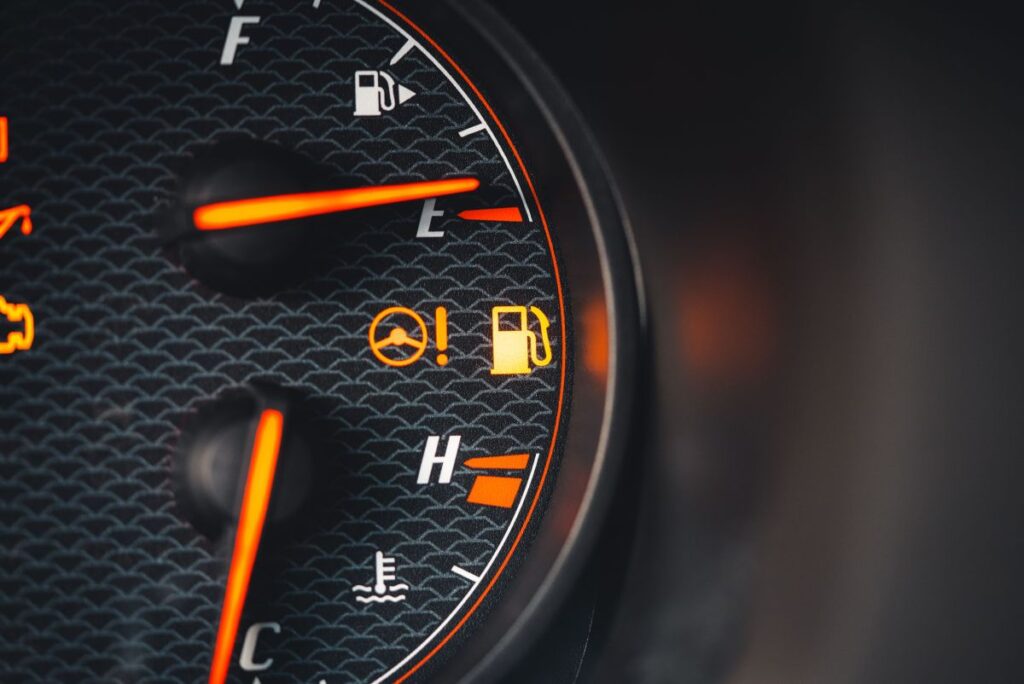
This is the simplest and most avoidable problem. DEF gets consumed as you drive, and if the tank runs dry, your truck will go into a reduced power mode and eventually won’t restart until it’s refilled. Most trucks give you plenty of warning — don’t ignore those dashboard alerts.
DEF Fluid Contamination
Not all DEF is the same quality. Using contaminated or off-brand fluid can damage the SCR catalyst and injector over time. Always use fluid that meets ISO 22241 standards, and never store DEF in metal containers — it reacts with certain metals and becomes corrosive.
Frozen DEF
DEF freezes at around 12 degrees Fahrenheit. Most trucks have a built-in heating element to handle cold starts, but in extreme cold that system can be overwhelmed. If you’re in a cold climate, keep your DEF tank reasonably full — a full tank is more resistant to freezing than a nearly empty one.
Failed DEF Injector
The DEF injector sprays fluid into the exhaust stream at precise intervals. When it fails, the system can’t do its job and you’ll typically see a fault code and reduced power. Injector failures are more common on higher-mileage trucks and can sometimes be caused by running low-quality DEF over time.
SCR Catalyst Failure
The SCR catalyst is the component that actually converts the nitrogen oxides. It’s durable but not indestructible. Contamination, excessive heat, and age can all degrade it. A failed catalyst is one of the more expensive DEF-related repairs you can face.
NOx Sensor Failure
Your truck uses NOx sensors to monitor emissions before and after the SCR catalyst. When a sensor fails, the truck’s computer loses its ability to verify the system is working correctly and will often trigger a fault code and derate. NOx sensors are a relatively common failure point on higher-mileage trucks.
Symptoms to Watch For
Catching a DEF problem early almost always means a cheaper repair. Watch for these warning signs.
- A DEF warning light or low fluid alert on your dash
- Reduced power or limp mode with no obvious cause
- A countdown message indicating miles until a no-start condition
- Rough or inconsistent engine behavior paired with emissions-related fault codes
- Excessive white smoke from the exhaust that isn’t clearing up
Any of these warrants attention before your next long run, not after.
Can You Buy DEF System Components Used?
This is a fair question, especially when repair bills start climbing. The honest answer is: it depends on the component.
Generally Safe to Buy Used
Sensors, brackets, wiring harnesses, and some housing components are reasonable to source used, provided they come from a low-mileage donor vehicle with a known history.
Use Caution or Buy New
The DEF injector and SCR catalyst are components where condition is harder to verify without specialized testing equipment. If you’re replacing a failed catalyst, a new or professionally remanufactured unit is usually the safer call. The last thing you want is to do the labor twice.
Preventive Tips to Avoid DEF Headaches
A little attention goes a long way with these systems. Here are how to avoid DEF headaches
Don’t Let the Tank Run Low
Top off your DEF at every other fuel stop if possible. Running the tank consistently low stresses the pump and heating element and increases the chance of a no-start situation at the worst possible time.
Use Quality Fluid
Stick with name-brand DEF from reputable sources. Truck stops that sell high volumes tend to have fresher stock. Avoid anything that doesn’t clearly state ISO 22241 compliance on the container.
Address Fault Codes Promptly
A DEF-related fault code is not a check engine light you can drive around on for a few weeks. These systems have built-in escalation — ignore the warning long enough and the truck will enforce a no-start condition. Deal with it while it’s still a small problem.
Final Thoughts
The DEF system gets a bad reputation, and honestly some of that is deserved — it adds complexity and cost to diesel ownership that didn’t exist a generation ago. But it’s the reality of modern diesel trucks, and understanding how it works puts you way ahead of most drivers on the road.
Have you dealt with a DEF system issue on your truck? Share what happened and how you handled it in the comments. And if you found this post useful, take a look at our other diesel maintenance guides — we post new content every other week.