
If you’re getting into trucking as an owner-operator or expanding a small fleet, one of the biggest decisions you’ll make isn’t which truck to buy — it’s what to pull behind it. The trailer type you choose shapes everything: the freight you can haul, the rates you can command, the customers you’ll work with, and the wear your truck takes over time. There’s no universally right answer, but there is a right answer for your specific situation. Here’s an honest breakdown of all three.
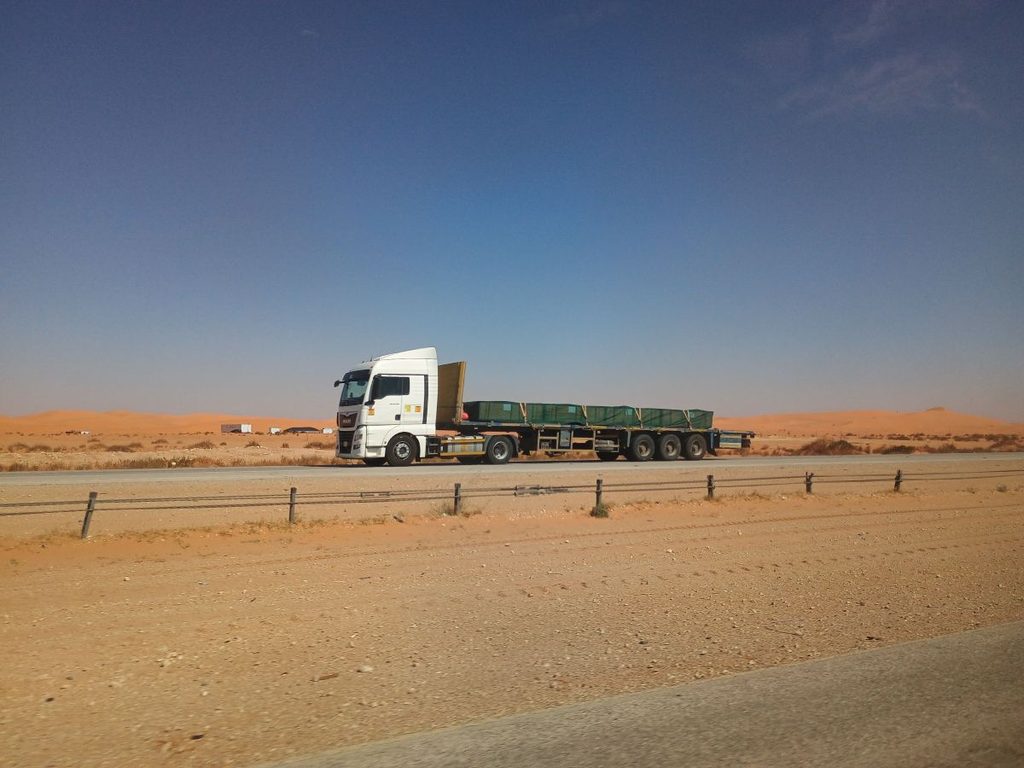
Flatbed: High Demand, Harder Work
Flatbed hauling is exactly what it sounds like — an open, flat trailer with no sides or roof. That simplicity opens the door to a wide range of cargo that can’t go in an enclosed trailer.
What Flatbed Carries
Flatbed is the trailer of choice for oversized and heavy cargo — steel coils, lumber, building materials, machinery, pipe, vehicles, and construction equipment. If it’s too big, too heavy, or too awkwardly shaped to go in a box, it usually goes on a flat.
Flatbed Rates
Flatbed rates tend to run higher than dry van on a per-mile basis, and for good reason. The work is harder, the cargo often requires specialized knowledge to secure, and not every driver wants to deal with it. That premium exists because the pool of qualified flatbed drivers is smaller.
Flatbed Pros
- Higher pay per mile in many markets
- Strong and consistent demand from construction, manufacturing, and energy sectors
- Less competition than dry van
- Freight diversity keeps the work interesting
Flatbed Cons
- Physical demands are real — tarping, strapping, and securing loads takes time and effort
- Weather exposure affects both the driver and the cargo
- More regulatory requirements around load securement
- Some shippers require flatbed-specific experience before they’ll book you
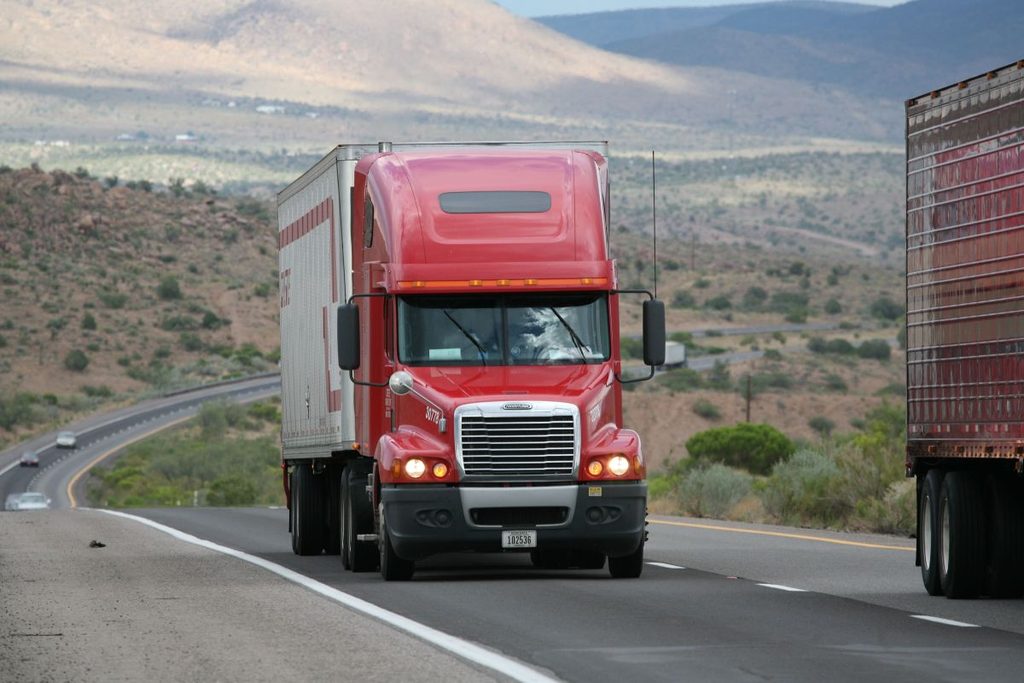
Dry Van: The Workhorse of the Industry
Dry van is the most common trailer type on American roads, and for good reason. The enclosed box protects cargo from the elements, works for an enormous range of freight, and fits nearly every shipper’s needs.
What Dry Van Carries
Packaged goods, palletized freight, retail products, paper goods, electronics, clothing — if it fits on a pallet and doesn’t need temperature control, it can go in a dry van. The freight availability is essentially unlimited, which makes it the easiest trailer type to keep loaded.
Dry Van Rates
Dry van rates are typically lower than flatbed or reefer on a per-mile basis, largely because supply of drivers and equipment is higher. That said, the consistency of freight and the lower physical demands of the work make it attractive to a lot of operators who prefer steady miles over chasing premium rates.
Dry Van Pros
- Enormous freight availability — rarely hard to find a load
- Less physically demanding than flatbed
- Works for almost any shipper
- Straightforward to operate and maintain
- Good option for newer drivers building experience
Dry Van Cons
- Lower rates per mile compared to flatbed and reefer
- High competition — a lot of trucks chasing the same freight
- Rates can be volatile on the spot market
- Less differentiation — harder to stand out to shippers
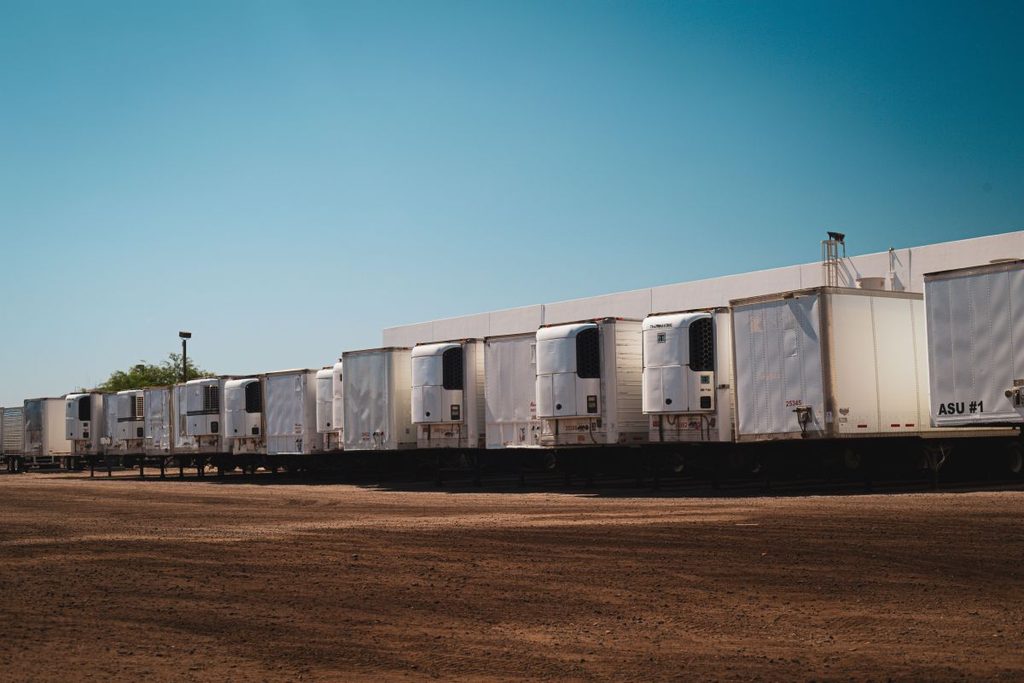
Reefer: Higher Rates, Higher Responsibility
Reefer — short for refrigerated — is an enclosed trailer with a built-in refrigeration unit that maintains a controlled temperature environment. It’s the most equipment-intensive of the three trailer types, and it comes with corresponding rewards and challenges.
What Reefer Carries
Produce, dairy, meat, pharmaceuticals, flowers, beverages, and any other temperature-sensitive freight. The food supply chain depends heavily on reefer capacity, which means demand is consistent year-round.
Reefer Rates
Reefer typically commands the highest rates of the three trailer types. Temperature-sensitive freight requires more accountability, more equipment, and more attention to detail — shippers pay for that. Produce lanes in particular can be very lucrative, especially during peak seasons.
Reefer Pros
- Highest rates per mile of the three trailer types
- Consistent demand — people eat year-round
- Produce and food freight lanes are well-established and reliable
- Strong relationships with shippers who need dedicated capacity
Reefer Cons
- The refrigeration unit adds significant maintenance cost and complexity
- Fuel consumption is higher — you’re running a generator unit constantly
- Temperature excursions can result in rejected loads and liability
- More paperwork and documentation requirements
- Equipment purchase and upkeep costs are higher than dry van or flatbed
How Trailer Choice Affects Your Truck
This is something a lot of new owner-operators don’t think about until they’re already into it. The trailer you pull has a direct impact on your truck’s wear patterns and long-term maintenance costs.
Flatbed and Drive train Stress
Flatbed loads — particularly heavy steel and machinery hauls — put serious stress on your drivetrain. Fifth wheel wear, frame flex, and transmission load cycles all add up faster on trucks that regularly pull maximum-weight flatbed freight. Budget accordingly.
Reefer and Fuel Systems
Reefer trucks tend to idle more — at shippers, at receivers, while the unit runs overnight. That idle time accumulates on your engine and affects oil change intervals and fuel system wear. If you’re running reefer, factor idle hours into your maintenance schedule, not just miles.
Dry Van and General Wear
Dry van is the most forgiving on the truck overall. Loads are typically palletized and within normal weight ranges, and the work doesn’t involve the extreme load cycles of flatbed or the extended idling of reefer. It’s one reason dry van is often recommended for operators who want to minimize mechanical surprises.
Which One Is Right for You?
There’s no wrong answer here — only the wrong answer for your specific situation. A few questions worth thinking through honestly before you decide.
- Do you want to maximize earnings per mile, or maximize freight availability?
- How much physical work are you willing to do on a daily basis?
- What’s your equipment budget, including maintenance reserves?
- Do you have experience with load securement, temperature monitoring, or general freight handling?
- What markets are you running — urban lanes, rural corridors, or a mix?
If you want top dollar and don’t mind earning it, flatbed or reefer are worth the challenge. If you want steady miles, broad freight access, and fewer variables, dry van is a proven path.
Final Thoughts
The trailer behind your truck is a business decision as much as it is a practical one. Take the time to understand the freight markets in your region, talk to drivers who run each trailer type, and be honest about what kind of work you actually want to do day in and day out.
Have experience running one of these trailer types? Drop your take in the comments — this is exactly the kind of topic where real-world experience from drivers is more valuable than any guide. And check back every other week for more content covering the diesel and trucking industry.